Friday, 8 December 2023

What Is A Bus In Music Production: Complete Guide

RECOMMENDED PRODUCT
Product 1 Product 2
Mackie Profxv3

In music production, a bus is where a channels signal is routed to the input of another channel. A bus can route a channels signal, a copy of a signal, or a combination of multiple signals into 1 channel.

It is typically used to group several individual audio tracks which can then be manipulated, as a group, like another track.

Busses are essential to audio production because they help engineers work faster and more consistently. Engineers can apply audio effects and level adjustments to numerous tracks at once and save time and labor by grouping tracks together using a bus.

A bus in audio refers to a signal path that allows multiple audio channels to be combined and processed together.

Check out this Youtube video: “What is a Bus and How to Use it | Music Production” to learn how to enhance your music production skills and take your music to the next level.
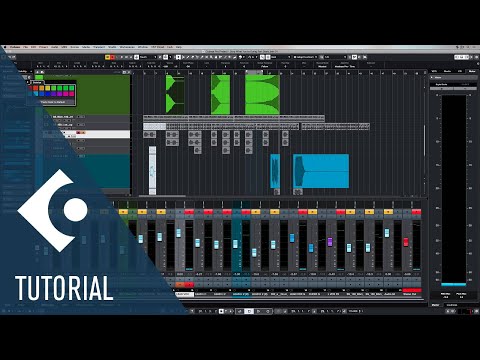
YouTube Video

The Basics of a Bus in Music Production

What is a bus in music production?

In music production, a bus refers to a signal path that allows multiple audio channels to be combined and processed together. It enables the grouping and manipulation of several individual audio tracks as a unified entity, aiding in the management of audio effects, creative control enhancement, and workflow efficiency.

How does a bus work in music production?

A bus works by collecting the audio from multiple channels and routing it to one destination, allowing for simultaneous processing and control. For instance, it enables the application of a single set of effects to multiple tracks, creating a cohesive blend of sound. This consolidation of tracks facilitates streamlined editing and manipulation of audio elements.

Examples of using buses in music production

Example Description
Submixes Utilizing buses for submixes enables the grouping and processing of specific sets of instruments or vocals
Parallel Processing Employing buses for parallel processing permits the simultaneous application of different effects to tracks
Send and Return Effects Buses are used for send and return effects, enabling the duplication of a portion of the signal for effects

what is a bus in music production - Types of Buses in Music Production - what is a bus in music production

Types of Buses in Music Production

Subgroup buses

Subgroup buses are mix bus destinations where audio channels can be routed to apply processing effects like EQ and Compression collectively. This allows for adjusting the volume of multiple channels routed to the group through the Subgroup fader.

Auxiliary buses

Auxiliary buses play a crucial role in processing signals from multiple tracks. They take a portion of the signal sent to them via a bus and apply effects like reverb, compression, and delay. These are often used to create distinct mixes without affecting the primary output.

Master buses

Master buses serve as the final chain of effects before exporting a piece. For instance, in a rock song, different mix buses are used for drums, bass guitar, guitar, and vocal tracks. The most common mix bus is the main stereo bus, also known as the “2-bus” or “master bus.”

Buses Description
Subgroup buses Mix bus destinations where audio channels can be routed for collective processing.
Auxiliary buses Process signals from multiple tracks with effects like reverb, compression, and delay to create distinct mixes.
Master buses Final chain of effects before exporting a piece; the main stereo bus used for different instrument mix buses, i.e., drums, bass guitar, guitar, and vocals.

These types of buses are essential tools in music production, allowing for efficient organization and processing of audio signals for a cohesive and impressive final product.

Routing and Signal Processing in Buses

How to route audio to a bus

To route audio to a bus, first, open your digital audio workstation (DAW) and locate the track or tracks you want to route. Next, create a new bus track in your DAW and assign it an appropriate label, such as “Drums Bus” or “Vocal Bus.” Then, assign the output of the individual tracks to the newly created bus track.

Finally, adjust the bus track’s volume to control the overall level of the grouped tracks.

Common signal processing techniques used on buses

Common signal processing techniques used on buses include parallel compression, EQ sculpting, and bus compression. Parallel compression involves blending a heavily compressed signal with the dry signal to maintain dynamic range while adding weight and power. EQ sculpting allows for precise tonal adjustments across multiple tracks, ensuring a cohesive sound. Bus compression helps to glue the tracks together, creating a more cohesive mix while controlling dynamics effectively.

Benefits of using buses for signal processing

Utilizing buses for signal processing provides several benefits, including faster workflow, efficient use of system resources, and streamlined control. By grouping similar tracks on buses, you can apply processing to multiple tracks collectively, reducing the time required for individual track processing. Additionally, using buses can minimize CPU and memory usage, optimizing system performance. Moreover, buses enable centralized control of multiple tracks, allowing for seamless adjustments and fine-tuning of the overall mix.

what is a bus in music production - Practical Applications of Buses in Music Production - what is a bus in music production

Practical Applications of Buses in Music Production

Grouping instruments using buses

In music production, grouping instruments using buses is a powerful technique for enhancing control and organization in the mixing process. By assigning similar instruments or related sounds to a bus, such as grouping all drum tracks together, it becomes easier to apply effects uniformly and make collective adjustments. This streamlined approach allows for efficient handling of large track counts, ensuring a cohesive and balanced mix.

Moreover, buses enable the application of processing effects to multiple tracks simultaneously. For instance, applying compression or EQ to a bus containing various drum elements can help create a consistent and impactful drum sound across the mix.

This method not only simplifies the workflow but also maintains sonic coherence within the production.

Creating special effects with buses

Buses play a pivotal role in creating special effects in music production. Utilizing a bus to apply effect processors, such as reverb, delay, or modulation effects, to a group of tracks can yield cohesive and immersive soundscapes. For instance, routing all vocal tracks to a bus with reverb and delay effects can provide a unified and atmospheric vocal presence throughout the mix.

Furthermore, using buses for effect processing allows for precise control over the depth and spatial characteristics of the effects. It gives producers the flexibility to manipulate the ambience and texture of the music, enhancing the overall listening experience for the audience.

Mixing and mastering with buses

In the realm of mixing and mastering, buses serve as invaluable tools for achieving cohesion and balance in a music production. By routing different elements, such as drums, vocals, or instrument groups, to dedicated buses, producers can effectively manage the sonic characteristics of each group. This enables targeted processing, including equalization, dynamics control, and spatial enhancements, to refine the overall mix.

Moreover, utilizing buses at the mastering stage empowers engineers to apply final touches and global processing to the entire mix. For instance, using a dedicated bus for mastering processing, such as multiband compression or harmonic enhancement, allows for cohesive and polished results that elevate the sonic quality of the entire production.

Practical Applications Description
Grouping instruments using buses Enhances control and organization in the mixing process; enables uniform application of effects to similar instruments.
Creating special effects with buses Facilitates the application of effect processors to multiple tracks, fostering cohesive and immersive soundscapes.
Mixing and mastering with buses Enables targeted processing of instrument groups; empowers global processing at the mastering stage for refined and polished results.

Remember, buses are not just for transportation; they are the secret to wielding immense power and control in the art of music production!

All the best, [Your Name]

Common Mistakes and Myths About Buses in Music Production

Misconceptions about using buses

One common misconception about using buses in music production is that it’s only for grouping tracks. However, buses can also be used for applying collective processing to multiple tracks simultaneously, like adding the same effect to various instruments at once, efficiently. Some mistakenly believe that buses can lead to a loss of individual track control, but in reality, they provide a centralized and efficient way to manage and process multiple tracks.

Pitfalls to avoid when working with buses

A major pitfall to avoid when working with buses is overloading them with too many tracks or heavy processing, which can lead to muddiness and a loss of clarity in the mix. Another common mistake is not paying attention to the phase relationships between tracks sent to the bus, resulting in phase cancellation and a weakened overall sound quality.

It’s vital to ensure proper gain staging, as excessive gain on bus processing can introduce unwanted distortion and artifacts into the mix.

How to overcome common mistakes when using buses

To overcome these mistakes, it’s crucial to maintain a balanced and strategic approach when using buses. Utilize bus processing for collective treatments like EQ, compression, and reverb, while retaining individual track control for detailed adjustments.

Additionally, regularly checking phase relationships and avoiding excessive gain on bus processing can help maintain the integrity and clarity of the mix.

Examining the Role of Buses in Different Genres

Use of buses in rock music production

Rock music production commonly involves the use of buses to create a cohesive sound. For instance, all the drums could be routed through a bus to apply the same compression and EQ settings, ensuring a consistent, impactful rhythm section.

Additionally, guitars and vocals may be grouped and processed together to maintain a uniform sonic character throughout the track.

Buses in electronic music production

In electronic music, buses play a critical role in achieving a polished and professional sound. For example, synthesizers and electronic drum tracks are often sent to a bus for overall compression and reverb, unifying the individual elements into a cohesive mix.

Furthermore, grouping various layers of electronic sounds through buses allows for precise control and manipulation, ensuring a balanced and dynamic composition.

Application of buses in hip-hop music production

Hip-hop music relies heavily on buses for creating a tight and punchy mix. For instance, all the different layers of percussion, such as kick, snare, and hi-hats, are generally routed to a bus for collective processing, ensuring a consistent and impactful beat.

Moreover, vocal tracks are often grouped through a bus to apply similar EQ, compression, and effects, maintaining a cohesive and powerful vocal presence.

Future Trends and Innovations in Buses for Music Production

Advancements in bus technology

In the rapidly evolving landscape of music production, advancements in bus technology have become a pivotal focus. Cutting-edge developments in digital audio workstations (DAWs) have enabled the integration of more complex and versatile bus routing capabilities. For instance, the implementation of hybrid analog-digital systems ensures pristine audio quality while providing enhanced flexibility in routing and processing. Moreover, the rise of AI-driven bus routing algorithms has streamlined the mixing process, offering intuitive suggestions for optimal signal distribution.

Emerging trends in bus usage in music production

Emerging trends in bus usage are shaping the way producers approach audio signal routing and processing. One notable trend is the emergence of modular bus systems, allowing for tailored signal routing and processing configurations based on specific production requirements. Additionally, the increasing adoption of networked audio protocols such as Dante and AVB has revolutionized bus connectivity, enabling seamless integration of multiple devices and audio sources within a production environment.

The future of buses in music production

The future of buses in music production is poised for remarkable innovation, driven by the demand for enhanced workflows and creative possibilities. Anticipate the integration of spatial audio processing within bus channels, enabling producers to sculpt immersive sonic landscapes with greater precision. Furthermore, the development of intelligent bus routing algorithms leveraging machine learning is set to revolutionize signal processing, providing automated optimization of audio routing based on production objectives.

Advancements in Bus Technology Emerging Trends in Bus Usage The Future of Buses in Music Production
Integrated hybrid analog-digital systems Adoption of modular bus systems Integration of spatial audio processing
AI-driven bus routing algorithms Implementation of networked audio protocols Development of intelligent bus routing algorithms

With these groundbreaking advancements and foreseeable innovations, the future of bus technology in music production promises to reshape the creative possibilities and workflow efficiencies for producers worldwide.

Recommended Amazon Products for Using Buses in Music Production

Here’s a curated list of products that can help you utilize buses in music production with ease. These recommendations are based on functionality, price, and reviews.

1. Mackie ProFXv3 Series, 6-Channel Professional Effects Mixer

This mixer is perfect for routing audio to buses and applying signal processing techniques. It offers high-quality audio performance and versatile signal routing options. Check out the Mackie ProFXv3 on Amazon for a reliable mixing solution.

Product 1 Product 2
Mackie Profxv3

2. Yamaha MG10XU 10-Input Stereo Mixer

The Yamaha MG10XU is a versatile mixer that is ideal for creating subgroups and auxiliary buses. It provides a wide range of signal processing options for a professional sound. Explore the Yamaha MG10XU on Amazon for high-quality audio mixing.

Product 1 Product 2
Yamaha Mg10Xu

3. Behringer XENYX 1202FX Premium 12-Input Mixer

With its compact design and built-in effects processor, the Behringer XENYX 1202FX is perfect for practical applications of buses in music production. It offers flexibility in routing and signal processing, making it a valuable addition to any studio setup. View the Behringer XENYX 1202FX on Amazon for an affordable mixing solution.

Product 1 Product 2
Behringer Xenyx 1202Fx

4. PreSonus StudioLive AR8c 8-Channel USB-C Hybrid Digital/Analog Performance Mixer

The PreSonus StudioLive AR8c is an all-in-one mixer that is great for mixing and mastering with buses. Its hybrid design allows for seamless integration of analog and digital technologies, providing a wide range of audio processing capabilities. See the PreSonus StudioLive AR8c on Amazon for a professional-grade mixing experience.

Product 1 Product 2
Presonus Studiolive Ar8C

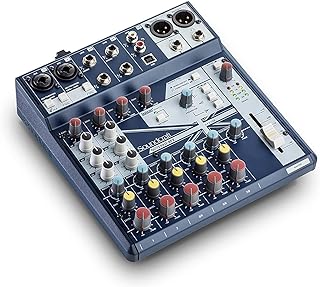
5. Soundcraft Notepad-8FX Small-format Analog Mixing Console with USB I/O and Lexicon Effects

Ideal for creating special effects with buses, the Soundcraft Notepad-8FX offers intuitive controls and high-quality audio effects. Its compact size makes it perfect for on-the-go music production while still delivering professional sound. Take a look at the Soundcraft Notepad-8FX on Amazon for a versatile mixing solution.
Product 1 Product 2
Soundcraft Notepad-8Fx

what is a bus in music production - Pros and Cons - what is a bus in music production

Pros and Cons

Product Pros Cons
Mackie ProFXv3 High-quality audio performance, versatile signal routing options Relatively higher price point
Yamaha MG10XU Wide range of signal processing options, professional sound Limited number of input channels
Behringer XENYX 1202FX Compact design, built-in effects processor Basic features compared to other models
PreSonus StudioLive AR8c Seamless integration of analog and digital technologies, professional-grade mixing Higher price point
Soundcraft Notepad-8FX Intuitive controls, compact size for on-the-go use Limited number of input channels

what is a bus in music production - Top Recommended Product for Using Buses in Music Production - what is a bus in music production

Top Recommended Product for Using Buses in Music Production

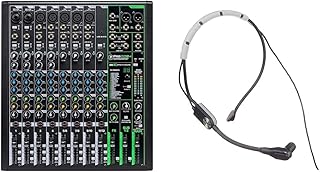
If you’re looking for the best solution for using buses in music production, we highly recommend the Mackie ProFXv3. Here’s why:
Product 1 Product 2
Mackie Profxv3

The Mackie ProFXv3 offers high-quality audio performance, versatile signal routing options, and reliable mixing capabilities. It’s a professional-grade mixer that is well-suited for practical applications of buses in music production.

Ready to improve your music production workflow? Check out the Mackie ProFXv3 today for the best results!

RECOMMENDED PRODUCT
Product 1 Product 2
Mackie Profxv3

what is a bus in music production - Conclusion - what is a bus in music production

Conclusion

A bus in music production is a tool used to combine multiple audio signals into one group, allowing for easier control and processing of the combined signals. This can be used to apply effects or adjustments to multiple tracks at once, saving time and maintaining consistency across the group.

Additionally, buses can be used to create sub-mixes of related instruments or vocal tracks, such as combining all the drum tracks into one bus for overall processing. This can help to create a more cohesive and unified sound for the grouped elements.

Finally, buses are an essential part of the mixing process, allowing for greater flexibility and creativity in how different elements of a song are processed and combined. They are a key tool for achieving a professional and polished sound in music production.

Frequently Asked Questions


from Making Music 101 https://ift.tt/0YjZKyB

Thursday, 7 December 2023

What I Need To Make Music: Essential Equipment Guide

RECOMMENDED PRODUCT
Product 1 Product 2
Focusrite Scarlett 2I2

To make music, you need essential equipment such as a computer, digital audio workstation (DAW), and a MIDI controller. These tools are crucial for recording, editing, and mixing music to create professional-sounding tracks.

Having the right tools for music production is important because they can make the difference between a mediocre track and a high-quality, chart-topping hit. The right equipment allows you to achieve your desired sound and bring your creative ideas to life.

Without the proper tools, it can be challenging to produce music of professional quality.

Check out this Youtube video: “GEAR You REALLY Need to Produce Music AT HOME” for essential tips on the hardware and software you need to create music in your own home studio.

YouTube Video

Computer or Laptop

Explanation of the need for a reliable computer or laptop

A reliable computer or laptop is essential for music production due to its capability to handle intensive audio processing and storage. The reliable device ensures smooth functioning of Digital Audio Workstations (DAWs) and various music production software, minimizing lags and latency issues. Additionally, a dependable computer or laptop offers long-term stability, reducing the risk of unexpected crashes or data loss during music production sessions.

Examples of preferred specs for music production

The following table outlines the preferred specifications for a computer or laptop used in music production:

Specification Recommended
Processor (CPU) Minimum of 2.4GHz quad-core processor power (i5, i7)
Random Access Memory (RAM) At least 8GB RAM for seamless multitasking and smooth operation
Storage A minimum of 500GB of solid-state drive (SSD) for faster data access
Operating System (OS) Windows 10 or macOS Big Sur for optimal software compatibility
Graphics Card Dedicated GPU with at least 2GB VRAM for audio-visual editing tasks

Importance of processing power and RAM

Processing power and RAM are crucial for music production as they directly impact the performance and speed of audio processing. A powerful CPU ensures quick execution of complex tasks within Digital Audio Workstations, while ample RAM enables smooth multitasking and efficient handling of diverse audio tracks and plugins. In essence, a balance of both processing power and RAM is vital to create and produce music seamlessly.

what i need to make music - Audio Interface - what i need to make music

Audio Interface

Importance of audio interface in recording and producing music

An audio interface plays a crucial role in recording and producing music by serving as the bridge between the analog and digital realms. It ensures high-quality audio inputs/outputs for instruments, microphones, and speakers, allowing musicians to capture and manipulate sound with utmost precision. Additionally, it provides essential functionalities like signal processing and low-latency monitoring, enhancing the overall recording and production experience.

Comparison of different types of audio interfaces

When comparing audio interfaces, it’s essential to consider the number of inputs/outputs, connection protocols (e.g., USB, Thunderbolt), sample rates, and bit depths. For instance, a USB interface might be suitable for home or project studios, while Thunderbolt interfaces offer faster data transfer rates, essential for working with large audio files or conducting low-latency recording and monitoring. Additionally, various brands offer interfaces with different build qualities and compatibility with specific devices, catering to diverse recording needs.

Examples of popular audio interface brands and models

Brand Model Key Features
Universal Audio Apollo Twin 2 Features premium audio quality and real-time UAD processing for professional music production.
Focusrite Scarlett 2i2 3rd Gen Known for its affordable yet feature-rich design, making it a staple in the home studio world.
Apogee ELEMENT 46 Offers the flexibility to mix different instruments together, achieving exceptional clarity of sound for professional recordings.
Audient iD14 MKII Combines high-performance audio quality with versatile I/O, ideal for capturing pristine vocals and instrument recordings.

what i need to make music - Digital Audio Workstation (DAW) - what i need to make music

Digital Audio Workstation (DAW)

Definition of DAW and its significance in music production

A Digital Audio Workstation (DAW) is a software application that allows music producers to record, edit, mix, and produce audio tracks. It serves as a centralized platform for music creation, providing tools for sequencing, digital effects, and virtual instruments.

The significance of a DAW lies in its ability to streamline the entire music production process, offering a one-stop solution for composing, arranging, and mastering tracks.

Examples of popular DAW software

DAW Software Description
Pro Tools Known for its industry-standard recording and editing capabilities
Logic Pro Popular among Apple users for its intuitive interface and extensive sound library
Ableton Live Renowned for its real-time music making and live performance features
FL Studio Favored by electronic music producers for its pattern-based sequencing
Cubase Trusted for its comprehensive set of audio editing and music composition tools

How to choose the right DAW for individual needs

  • Assess Your Music Production Goals: Determine the type of music you create and the specific requirements for your projects.
  • Consider Compatibility: Ensure the DAW is compatible with your operating system and hardware setup.
  • Trial and Exploration: Take advantage of free trials and demos offered by DAW software to find the most suitable option.
  • Evaluate Features: Look for key features such as virtual instruments, audio effects, and third-party plugin support.
  • Seek User Feedback: Research user reviews and seek recommendations from fellow producers to understand practical experiences with different DAWs.

what i need to make music - MIDI Keyboard - what i need to make music

MIDI Keyboard

Explanation of the role of MIDI keyboards in music production

MIDI keyboards serve as controllers that send commands to other musical instruments using a MIDI five-pin cable or a USB. These keyboards enable various applications, such as connecting to computers for music production, controlling synthesizers and sound modules, playing virtual instruments, and syncing devices for live performances.

Benefits of using MIDI keyboards for creating music

MIDI keyboards offer increased flexibility, allowing quick and easy control of a variety of instruments, sounds, and effects from a single source. They enhance the music production process by triggering sounds from external sources, enabling users to switch between instruments or play multiple instruments simultaneously without the need for physical instruments.

Examples of MIDI keyboard options for different budgets

MIDI Keyboard Brand Budget Range Description
Novation Budget-Friendly Offers affordable options with quality features, ideal for beginners and budget-conscious users.
Akai Mid-Range Provides an excellent balance of features and affordability for intermediate-level musicians.
Arturia Premium Premium keyboards with advanced functionalities, suitable for professional music production.

Studio Headphones

Importance of studio headphones for accurate monitoring

Studio headphones play a crucial role in ensuring accurate monitoring during music production. They are designed to provide a flat frequency response which means they reproduce audio with minimal coloration. This ensures that the producer or musician can hear the most precise representation of their music, allowing them to make informed decisions during the mixing and mastering process.

Factors to consider when choosing studio headphones

When selecting studio headphones, it’s essential to consider factors such as frequency response, impedance, driver size, and whether they are closed-back or open-back. A wide frequency response range is crucial for accurate sound representation across different music genres. Additionally, the impedance of the headphones should match the output capabilities of the audio interface or amplifier being used. The driver size affects the depth and clarity of the sound, while the type of headphones can influence the sound isolation and accuracy.

Examples of recommended studio headphones for music production

Brand and Model Type Features
Focal Listen Professional Closed-back Balanced sound and comfortable for extended use
Audio-Technica ATH-M50x Closed-back Exceptional clarity and accurate sound reproduction
Beyerdynamic DT 1990 Pro Open-back Superb open sound stage and detailed audio

what i need to make music - Studio Monitors - what i need to make music

Studio Monitors

Explanation of the need for studio monitors in a music production setup

Studio monitors are essential in a music production setup as they offer accurate and precise sound reproduction. Unlike regular speakers, studio monitors provide a flat frequency response, ensuring that every detail of the audio is heard without any distortion or coloration. This is crucial for mixing and mastering tracks to achieve the desired sound quality. Additionally, studio monitors enable producers to identify imperfections in the audio, making it easier to refine and perfect the music.

Difference between studio monitors and regular speakers

The primary difference between studio monitors and regular speakers lies in their sound reproduction. While studio monitors are designed to deliver a flat and unaltered sound, regular speakers often emphasize certain frequencies to enhance the listening experience. Studio monitors focus on accuracy and detail, making them ideal for music production, mixing, and mastering, whereas regular speakers are tailored for casual listening and enjoyment.

Examples of popular studio monitor brands and models

Brand Model Key Features
KRK Rokit 5 G4 Balanced sound, ideal for studio producers
Presonus Eris 4.5 Accurate sound reproduction and compact design
Yamaha HS8 Exceptional clarity and versatile connectivity
JBL LSR305P MKIIS Affordable yet professional-grade studio monitoring

Studio monitors play a crucial role in elevating the quality of music production by providing accurate sound reproduction, enabling producers to create well-balanced and refined audio. Understanding the distinction between studio monitors and regular speakers is essential for choosing the right equipment for specific audio needs.

Additionally, being aware of popular brands and models allows budding musicians and producers to invest in high-quality studio monitors that suit their requirements.

what i need to make music - Microphones - what i need to make music

Microphones

Importance of having a quality microphone for recording vocals and instruments

Having a high-quality microphone is crucial for recording vocals and instruments as it significantly impacts the overall sound quality of the recording. A good microphone captures the nuances and details of the performance, resulting in a more authentic and professional sound. It enhances the clarity, depth, and dynamics of the audio, making the recording more appealing and engaging to the listeners.

Different types of microphones and their applications

There are three primary types of microphones: dynamic microphones, condenser microphones, and ribbon microphones, each with its unique characteristics and applications. Dynamic microphones are durable and versatile, suitable for live performances and recording loud sound sources. Condenser microphones are ideal for capturing delicate sounds and detailed vocal performances in studio settings. Ribbon microphones excel in capturing the warmth and depth of instruments, making them great for recording acoustic instruments and vocals.

Examples of recommended microphones for various recording purposes

Recording Purpose Recommended Microphone
Studio Vocal Recording Neumann U87 Ai
Live Vocal Performance Shure SM58
Recording Instruments AKG C414 XLS
Podcasting and Voiceovers Shure SM7B

The Neumann U87 Ai is renowned for its pristine vocal reproduction, making it a top choice for studio vocal recording. For live vocal performances, the Shure SM58’s durability and clear sound make it a go-to option.

The AKG C414 XLS is a versatile choice for recording various instruments with exceptional detail. When it comes to podcasting and voiceovers, the Shure SM7B offers professional-grade audio quality and versatility.

Focusrite Scarlett 2i2 (3rd Gen) USB Audio Interface

The Scarlett 2i2 is a reliable and user-friendly audio interface that provides high-quality sound for professional music production. You can find the Scarlett 2i2 on Amazon by clicking here.

Product 1 Product 2
Focusrite Scarlett 2I2

Pros and Cons

Pros Cons
High-quality sound Limited inputs
Durable build Requires a separate MIDI controller

KRK RP5 Rokit 5 G4 Professional Bi-Amp 5″ Powered Studio Monitor

KRK Rokit studio monitors offer accurate sound reproduction, making them ideal for mixing and mastering music. You can find the KRK RP5 Rokit 5 G4 on Amazon by clicking here.

Product 1 Product 2
Krk Rp5 Rokit 5 G4

Pros and Cons

Pros Cons
Accurate sound reproduction Slightly expensive
Sturdy construction May be too large for small spaces

Audio-Technica ATH-M50x Professional Studio Monitor Headphones

The ATH-M50x headphones are renowned for their exceptional sound quality and comfort, making them suitable for long hours of music production. You can find the ATH-M50x on Amazon by clicking here.

Product 1 Product 2
Audio-Technica Ath-M50X

Pros and Cons

Pros Cons
Excellent sound quality Limited noise isolation
Comfortable for extended use Non-detachable cable

Alesis V25 | 25-Key USB MIDI Keyboard Controller

The Alesis V25 MIDI keyboard controller offers a good balance of functionality and affordability, making it suitable for beginners and experienced music producers. You can find the Alesis V25 on Amazon by clicking here.

Product 1 Product 2
Alesis V25

Pros and Cons

Pros Cons
Compact and portable Limited number of keys
Affordable Modest build quality

Shure SM7B Cardioid Dynamic Microphone

The Shure SM7B is a professional-grade microphone known for its versatility and exceptional sound capture, making it an excellent choice for recording vocals and instruments. You can find the Shure SM7B on Amazon by clicking here.

Product 1 Product 2
Shure Sm7B

Pros and Cons

Pros Cons
Versatile and rich sound Requires an audio interface with a good preamp
Durable and rugged build Slightly heavy

Top Recommended Product for Music Production

If you’re looking for the best solution for music production, we highly recommend the Focusrite Scarlett 2i2 (3rd Gen) USB Audio Interface. This audio interface offers high-quality sound, durability, and ease of use, making it an essential tool for music production. You can find the Scarlett 2i2 on Amazon by clicking here.

Product 1 Product 2
Focusrite Scarlett 2I2

Ready to elevate your music production setup? Check out the Focusrite Scarlett 2i2 today for professional-grade audio recording and production!

RECOMMENDED PRODUCT
Product 1 Product 2
Focusrite Scarlett 2I2

Conclusion

Essential equipment needed for music production includes a computer with digital audio workstation (DAW) software, studio monitors or headphones, and a microphone and audio interface. These tools are necessary for recording, editing, and mixing music to achieve professional-quality results.

Furthermore, investing in the right tools for music creation is crucial for achieving the desired sound and production quality. Quality equipment not only enhances the creative process but also ensures that the final product meets professional standards.

It is important to consider the long-term benefits and impact of investing in the right tools for music production.

Having the essential equipment and investing in the right tools for music creation can significantly improve the quality of music production. This investment ensures that artists and producers have the necessary resources to bring their musical ideas to life and produce professional-caliber music.

Therefore, it is vital to prioritize acquiring the essential tools and investing in quality equipment for music production.

Frequently Asked Questions


from Making Music 101 https://ift.tt/IOoLkxS

Wednesday, 6 December 2023

What Equipment Is Needed For Music Production: A Complete Guide

RECOMMENDED PRODUCT
Product 1 Product 2
Focusrite Scarlett 2I2

Music production involves the creation, manipulation, and preservation of music for distribution and enjoyment. Having the right equipment is crucial for a smooth and successful music production process.

The necessary equipment includes a computer, a Digital Audio Workstation (DAW), a MIDI controller, studio headphones, an audio interface, and a studio recording microphone. These tools are essential for developing, creating, and refining recorded music for public presentation.

Check out this Youtube video: If you’re interested in pursuing a career in music production or want to start recording music at home, this video provides essential information on what equipment you need for music production.

YouTube Video

Choosing the Right Computer

Minimum specifications for a music production computer

For a music production computer, aim for a minimum of 2.4 GHz and 4 cores. It’s recommended to have at least 16 gigabytes (GB) of RAM, and a 64-bit operating system.

A minimum of 500GB of internal storage (HDD or SSD) is also essential for storing music files and software.

Mac vs PC for music production

When it comes to music production, Mac excels in performance and security. On the other hand, PC offers cost-effectiveness and 3rd party compatibility.

Macs are known for their quality and features, while PCs are generally cheaper upfront but may not last as long as Mac computers.

Popular computer models for music production

Some popular computer models for music production include the Mac Pro (desktop), iMac (desktop), Mac Mini (desktop), MacBook Pro (laptop), and MacBook Air (laptop). Alienware is a well-known brand, especially for gaming, but its powerful desktops are also suitable for music production needs.

Computer Model Type Features
Mac Pro Desktop Known for its high performance
iMac Desktop Offers quality features
Mac Mini Desktop Compact yet powerful
MacBook Pro Laptop Efficient for music production on-the-go
MacBook Air Laptop Portable and suitable for basic music production
Alienware Desktop Offers high performance and suitable for gaming and music production

what equipment is needed for music production - Essential Software for Music Production - what equipment is needed for music production

Essential Software for Music Production

Digital Audio Workstation (DAW)

The heart of any music production setup is the Digital Audio Workstation (DAW). When it comes to DAWs, Ableton Live 11 is a frontrunner, known for its advanced music production capabilities and seamless workflow.

Pro Tools also stands out with its specialization in audio recording and editing, making it an excellent choice for live performances and studio recordings. For Mac users, Apple Logic Pro offers a comprehensive suite of tools for mainstream audio production, making it a popular choice among music producers.

Virtual Instruments and Plugins

In the realm of virtual instruments and plugins, the best VST audio plugins for music production include Serum, Omnisphere, Diva, and Vital, known for their exceptional synthesis capabilities and sound design features. Additionally, the Harmony Engine plugin by Antares is a game-changer in electronic music production, elevating vocal tracks from ordinary to extraordinary.

When it comes to virtual instruments, GForce Software Oberheim OB-X and Arturia Pigments 4 are highly regarded for their versatility and high-quality sound output.

Mixing and Mastering Software

For mixing and mastering, Studio One Pro is a top choice, renowned for its precise mixing and mastering capabilities. Additionally, Pro Tools, Logic, and Cubase are excellent options for professionals seeking pristine mixing and mastering software.

To ensure that the mix competes in the loudness war, mastering plugins from iZotope, Waves, and Softube are highly recommended, providing essential tools for ensuring impeccable audio quality and competitive loudness levels.

Audio Interfaces and MIDI Controllers

Importance of audio interfaces in music production

Audio interfaces are essential for achieving high-quality sound recordings in music production. They serve as the bridge between your instruments and computer, converting analog signals into digital data that can be manipulated and enhanced using music production software.

This is crucial for capturing the nuances and dynamics of performances, ultimately contributing to the overall professional quality of the music.

Types of audio interfaces

There are various types of audio interfaces, each catering to different recording needs. For instance, compact desktop interfaces are suitable for solo artists or smaller recording setups, offering a few inputs and outputs.

On the other hand, rack-mounted interfaces provide more versatility and scalability, making them ideal for larger studios and professional productions. Additionally, there are specialized interfaces designed for specific purposes such as podcasting or live performance recording.

MIDI controllers for creating music

MIDI controllers play a pivotal role in music production by enabling precise control and manipulation of virtual instruments and software. These controllers come in various forms including keyboards, drum pads, and fader banks, allowing musicians to interact with their digital audio workstations and virtual instruments in a tactile and expressive manner.

They enhance the creative capabilities of musicians, offering intuitive ways to shape and craft musical ideas.

Audio Interface Type Suitable For Description
Compact Desktop Interfaces Solo artists or Offers few inputs and outputs, ideal for smaller setups
smaller setups
Rack-Mounted Interfaces Larger studios Provides versatility and scalability for professional
and productions recording needs
Specialized Interfaces Specific needs Tailored for purposes such as podcasting or live
performance recording

what equipment is needed for music production - Studio Monitors and Headphones - what equipment is needed for music production

Studio Monitors and Headphones

Importance of accurate sound reproduction

When it comes to music production, the importance of accurate sound reproduction cannot be overstated. Studio monitors play a pivotal role in ensuring that the sound produced is faithful to the original source.

Unlike regular speakers, studio monitors are designed to provide a flat frequency response, offering a true representation of the audio. This accuracy is crucial during the mixing and mastering stages, as it allows producers to make informed decisions about the sound quality and balance of their music.

Difference between studio monitors and regular speakers

The key difference between studio monitors and regular speakers lies in their design objectives. While regular speakers aim to enhance the sound of recordings, studio monitors prioritize accurate sound reproduction.

Studio monitors offer a flat, precise sound tailored for nearfield use, ensuring that every frequency is played at the same volume level. In contrast, regular speakers often have predetermined frequency settings that can amplify or distort certain sounds, impacting the overall audio quality.

Choosing the right headphones for music production

Selecting the right headphones for music production is a critical decision. The best headphones for music production are those that offer a flat frequency response, durability, and comfort for extended use.

Considerations such as closed-back versus open-back designs, wired versus wireless configurations, and individual preferences play a crucial role in determining the most suitable headphones for each producer’s specific needs.

what equipment is needed for music production - Microphones and Acoustic Treatment - what equipment is needed for music production

Microphones and Acoustic Treatment

DIY acoustic treatment options

Your episode ends here!

what equipment is needed for music production - Music Production Accessories - what equipment is needed for music production

Music Production Accessories

Cables and connectors

Type of Cable/Connector Common Use
XLR cables Professional audio applications, live performances, and studio recordings
TRS cables Headphones and balanced audio connections
Y-splitter cables Music studios for various connectors, such as 1/8″ TRS to dual XLRs, and 1/4″ TRS
3.5mm connector Commonly used for audio on smartphones, portable devices, and computers

Equipment racks and stands

  • Music studio racks are essential to organize and store equipment effectively.
  • Different types include studio furniture, rolling side car racks, and desk racks.
  • Studio rack mounts are crucial for beginners setting up a basic home studio rig.

Power conditioners and surge protectors

  • The Furman M-8×2 8 Outlet Power Conditioner provides excellent protection from power surges.
  • The Furman P-1800 AR Voltage Regulator is recommended for those needing the best power conditioning for music studios.

Music production requires various essential accessories such as cables and connectors, equipment racks and stands, as well as power conditioners and surge protectors to ensure efficient and high-quality production processes.

Setting Up Your Home Studio

Room layout and acoustics

For an ideal studio, irregular room shapes work best to control echoing and diffusion. Symmetrical rooms with parallel walls are less optimal for acoustics.

Rectangular rooms have good potential for proper bass reproduction, making them a suitable choice.

Ergonomics for comfortable workflow

Maintaining proper studio ergonomics ensures a smooth and enjoyable workflow. Items not in use should be removed from view, and microphones and instruments should be stored in their cases to keep the space clutter-free.

Setting up and connecting all the equipment

Equipment Purpose
Studio monitors Accurate sound reproduction for mixing
Audio interface Connects instruments and microphones to the computer
Microphones Capturing vocals and instruments with clarity and accuracy
Digital Audio Workstation (DAW) Software for recording, editing, and mixing music
MIDI controller Interface for playing and recording virtual instruments

These are essential for setting up a functional home studio for music production.

what equipment is needed for music production - Recommended Amazon Products for Music Production - what equipment is needed for music production

Recommended Amazon Products for Music Production

Here’s a curated list of products that can help you with your music production needs. These recommendations are based on functionality, price, and reviews.

Audio-Technica AT2020 Cardioid Condenser Studio XLR Microphone

The Audio-Technica AT2020 is a popular choice for recording vocals and acoustic instruments. Its wide dynamic range and low self-noise make it a versatile microphone for various music production tasks. You can find it on Amazon here.

Product 1 Product 2
Audio-Technica At2020
Pros Cons
Wide dynamic range Requires an XLR interface
Low self-noise Not suitable for USB connectivity Affordable price

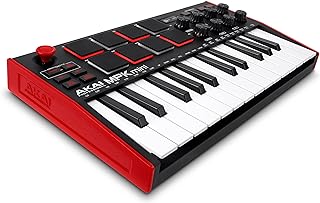
Akai Professional MPK Mini MKII – 25 Key USB MIDI Keyboard Controller

The Akai Professional MPK Mini MKII is a compact MIDI keyboard controller with 25 keys and various assignable controls. Its portability and comprehensive feature set make it a great choice for music production on the go. You can find it on Amazon here.

Product 1 Product 2
Akai Professional Mpk Mini Mkii
Pros Cons
Compact and portable Limited number of keys
Assignable controls Mute buttons can be stiff Built-in arpeggiator and octave controls

KRK RP5 Rokit 5 G4 Professional Bi-Amp 5″ Powered Studio Monitor

The KRK RP5 Rokit 5 G4 is a powered studio monitor with bi-amped class A/B amplification for accurate sound reproduction. Its low resonance enclosure design and custom-designed Kevlar drivers make it suitable for mixing and mastering music. You can find it on Amazon here.

Product 1 Product 2
Krk Rp5 Rokit 5 G4
Pros Cons
Accurate sound reproduction Some users may prefer a larger woofer size
Low resonance enclosure design Slightly higher price point Custom-designed Kevlar drivers

Focusrite Scarlett 2i2 (3rd Gen) USB Audio Interface

The Focusrite Scarlett 2i2 is a well-established USB audio interface known for its high-quality preamps and compact design. It offers easy connectivity with XLR and 1/4″ inputs, making it suitable for home studio setups. You can find it on Amazon here.

Product 1 Product 2
Focusrite Scarlett 2I2
Pros Cons
High-quality preamps Limited number of inputs compared to other models
Compact and portable No MIDI connectivity Affordable price

Shure SRH440 Professional Studio Headphones

The Shure SRH440 studio headphones are designed for accurate audio reproduction and long-term comfort. Their closed-back, circumaural design helps isolate external noise, making them ideal for critical listening and tracking. You can find it on Amazon here.

Product 1 Product 2
Shure Srh440
Pros Cons
Accurate audio reproduction Non-detachable cable
Comfortable for long sessions Could be more durable Excellent noise isolation

Top Recommended Product for Music Production

If you’re looking for the best solution for music production, we highly recommend the Focusrite Scarlett 2i2 (3rd Gen) USB Audio Interface here. The high-quality preamps, compact design, and affordable price make it a versatile choice for home studio setups.

RECOMMENDED PRODUCT
Product 1 Product 2
Focusrite Scarlett 2I2

Ready to improve your music production setup? Check out the Focusrite Scarlett 2i2 today for the best results!

Conclusion

The essential equipment for music production includes a computer with digital audio workstation (DAW) software, studio monitors or headphones, and a microphone. These tools are crucial for creating, editing, and mixing music to achieve professional quality results.

Investing in quality gear is important for music production as it can significantly impact the overall sound and production value of the music. High-quality equipment can enhance the recording and mixing process, resulting in a more polished and professional end product.

For aspiring music producers, starting to create their own music can be a rewarding and fulfilling experience. With the right equipment and dedication, they can bring their musical ideas to life and share their unique sound with the world.

Frequently Asked Questions


from Making Music 101 https://ift.tt/lWDSJro

FL Studio Beat Making: Advanced Tips for Crafting Compelling Rhythms

Short Answer for “FL Studio Beat Making: Advanced Tips for Crafting Compelling Rhythms” Yes, embracing advanced techniques such as polyrhy...